

Biomedical data analysis
image processing, signal processing, neural networks, 3D images, MATLAB, Python
We connect world with computer science
We are open-minded. Our group focuses on interdisciplinarity – our research finds application in chemistry, medicine or industry.
Our methodology is based on signal processing, modern methods of technological process control, mathematical modeling and optimization, modern methods of data analysis and classification, artificial intelligence, machine learning, variational methods or deep learning.
Topics for student semester projects and theses. We dive into the core of cutting-edge research that bridges science and technology.
image processing, signal processing, neural networks, 3D images, MATLAB, Python
process control, Simulink
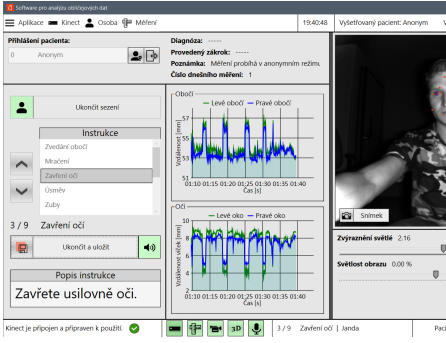
applications, GUI, C#, web, databases, RPD, 3D vision, camera
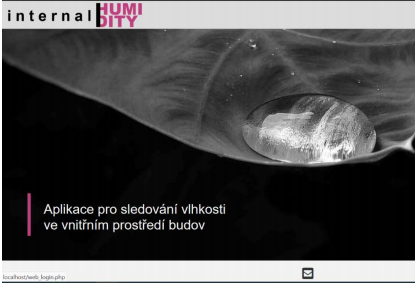
humidity, light, CO2, fatigue, web, mobile apps
raspberryPi, Arduino, sensors
web, online
GUI, C#, SWIFT, Python
Are you interested in biomedical data analysis, modeling, VR, process control, neural networks, signal processing?
Passionate about interdisciplinary research that bridges chemistry, engineering, artificial intelligence, and signal processing?
Are you a student and looking for a semestral project, thesis topic and so on? Feel free to contact us!
Do you search for PhD thesis? Are you interested in our topics Contact us!
Are you interested in our research? Do you want to colaborate? We will be happy if you contact us.
“Technology makes sense only when it helps people.”
 Jan Mareš
“Technology should serve people, not the other way around.”
 Jan Kohout
“If it fails, we try again—and do it better.”
 Karel Štícha
Explore the latest research papers, articles, and findings from the OptimCyb group. Our interdisciplinary work covers chemical engineering, artificial intelligence, signal processing, and mathematical modelling.


We harness the power of Artificial Intelligence and Machine Learning to solve complex challenges in chemical engineering and healthcare. Our research transforms raw data into intelligent systems that optimize industrial production and advance personalized medicine.
 Join Us!
We would like to express our sincere gratitude for the support and collaboration that strengthen our research group.






Martin Chovanec (FNKV)
Jan Panuš (UPCE)
Jan Vodička (PKN)
Vít Blanař (UPCE)
Oldřich Vyšata
Bridging AI, chemical engineering, and medicine to deliver innovative solutions for industrial optimization and advanced healthcare diagnostics.
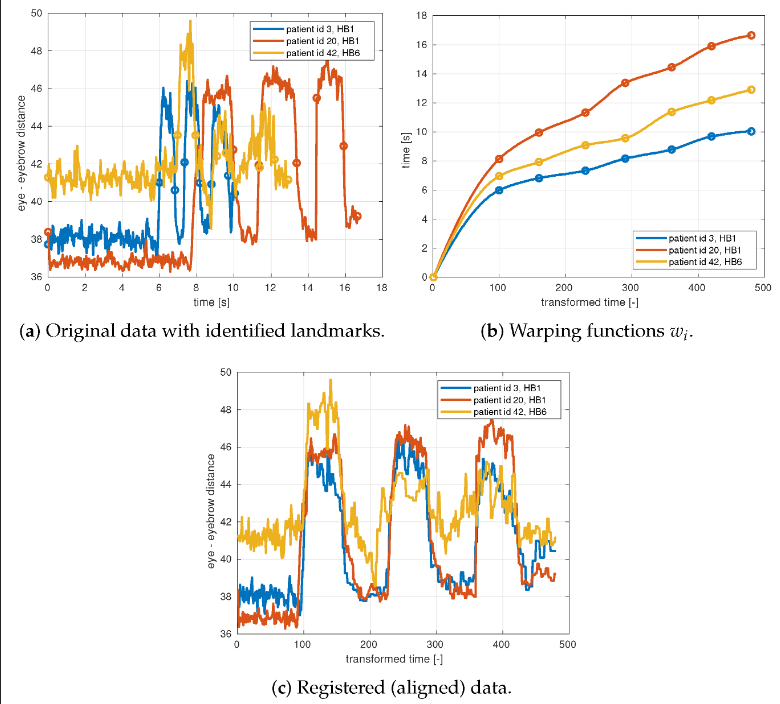
The team focuses on the mathematical modeling of human movement and the automated extraction of biometric data from skeletal sequences, primarily utilizing…
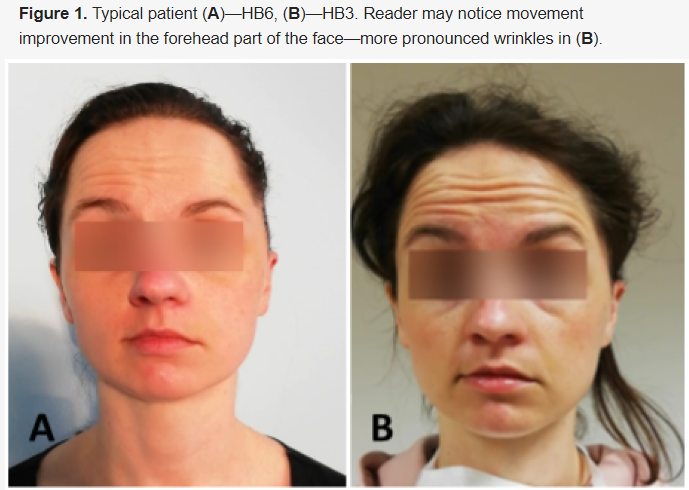
Key Research Focus The team develops automated systems for the objective evaluation of facial nerve disorders (facial palsy) using 3D imaging technology and…


